Single-use products have become so ingrained in modern life that we often don't question their necessity. Every day, millions of disposable items are manufactured, used briefly, and discarded, creating mountains of waste that overwhelm landfills and pollute our environment. The good news is that practical, affordable reusable alternatives exist for nearly every disposable product we use.
Making the switch to reusable products is one of the most effective ways to reduce your environmental footprint. These items pay for themselves over time through cost savings while dramatically decreasing the waste you generate. This guide explores essential reusable products that seamlessly integrate into daily life, making sustainability convenient and rewarding.
The Impact of Single-Use Culture
The average person generates over four pounds of trash daily, much of it from single-use products designed for moments of convenience. Plastic bags, water bottles, coffee cups, and food containers accumulate in landfills where they persist for centuries. Many items end up in oceans, harming marine life and entering the food chain as microplastics.
Manufacturing disposable products consumes enormous quantities of resources and energy. The production, transportation, and disposal of these items contribute significantly to greenhouse gas emissions and environmental degradation. By choosing reusable alternatives, we can dramatically reduce this impact while enjoying products that often perform better than their disposable counterparts.
Essential Reusable Products for Daily Life
Reusable Water Bottles
Water bottles are perhaps the most impactful reusable product you can adopt. Americans purchase approximately 50 billion plastic water bottles annually, with recycling rates below 30%. A quality reusable water bottle eliminates this waste while keeping beverages at optimal temperatures for hours.
Stainless steel bottles are durable, don't retain flavors or odors, and keep drinks cold or hot for extended periods. Glass bottles offer pure taste without any metallic notes and allow you to see contents. Choose bottles with wide mouths for easy cleaning and ice insertion, and look for leak-proof lids for worry-free transport.
Coffee Cups and Travel Mugs
Disposable coffee cups seem innocuous but create massive waste, with most unable to be recycled due to plastic linings. If you buy coffee daily, you're generating over 350 cups of waste annually. A reusable coffee cup or travel mug solves this problem while often keeping beverages at ideal temperatures longer than disposable cups.
Many coffee shops offer discounts for customers who bring reusable cups, helping offset purchase costs. Look for double-walled insulated mugs that fit standard cup holders and have secure, leak-proof lids. Some designs even fold or collapse for easy storage in bags or backpacks.
Shopping Bags and Totes
Plastic shopping bags have become symbolic of environmental problems, with trillions used globally each year. Most are used for mere minutes before being discarded, yet persist in the environment for decades. Reusable shopping bags made from canvas, recycled materials, or sturdy nylon eliminate this waste while offering greater durability and capacity.
Keep several bags in your car or by the door so they're available when needed. Choose bags with reinforced handles and bottoms for heavy items, and look for designs that fold compactly when not in use. Some bags even attach to keychains or purses for ultimate convenience.
Food Storage Containers
Plastic wrap, aluminum foil, and disposable containers generate significant kitchen waste. Reusable food storage containers made from glass or stainless steel offer superior alternatives that preserve food freshness, don't leach chemicals, and last for years.
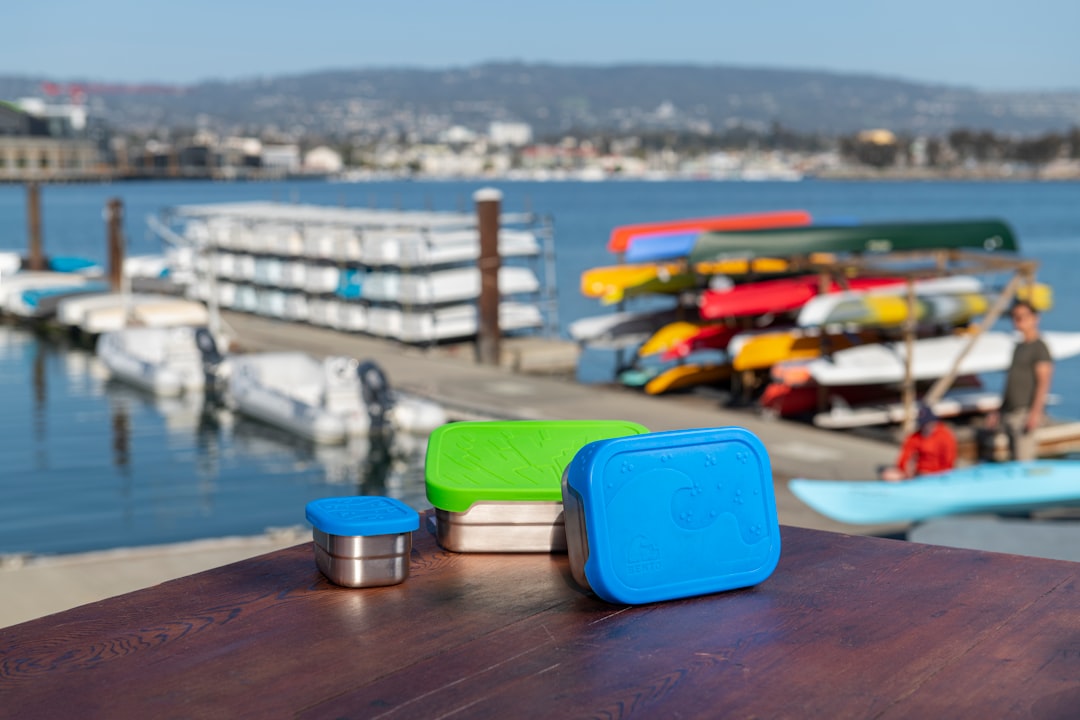
Glass containers are microwave and dishwasher safe, making them ideal for meal prep and leftovers. Stainless steel containers are lightweight and virtually indestructible, perfect for packed lunches. Invest in various sizes to accommodate different storage needs, and choose containers with leak-proof lids for liquids and sauces.
Cloth Napkins and Kitchen Towels
Paper towels and napkins are convenient but wasteful, especially given that reusable alternatives work just as well and add a touch of elegance to meals. Cloth napkins made from organic cotton or linen are soft, absorbent, and machine washable, lasting for years with proper care.
Swedish dishcloths and microfiber cleaning cloths replace paper towels for kitchen cleanup. These reusable options are highly absorbent, quick-drying, and can be sanitized in the dishwasher or washing machine. A set of a dozen cloth napkins and several cleaning cloths eliminates the need for paper products entirely.
Reusable Straws
Plastic straws have received significant attention for their environmental impact, particularly on marine life. Reusable straws made from stainless steel, glass, silicone, or bamboo offer practical alternatives that work just as well without the waste.
Stainless steel straws are durable and easy to clean with included brushes. Glass straws allow you to see that they're clean and don't affect beverage flavor. Silicone straws are flexible and safe for children. Keep a set at home and carry a portable straw in your bag for drinks on the go.
Reusable Produce Bags
Those thin plastic produce bags at grocery stores add up quickly, with the average family using hundreds annually. Reusable mesh or cotton produce bags are lightweight, machine washable, and allow produce to breathe, often keeping fruits and vegetables fresh longer than plastic bags.
A set typically includes various sizes for different types of produce. The transparent mesh allows for easy identification of contents and doesn't add significant weight at checkout. Many designs include tare weights printed on tags, though most cashiers simply ignore the minimal bag weight.
Rechargeable Batteries
Disposable batteries contain toxic materials and create electronic waste. Rechargeable batteries can be used hundreds of times, making them far more economical and environmentally friendly over their lifespan. Modern rechargeable batteries hold charges well and are available in all standard sizes.
Invest in a quality battery charger and a full set of rechargeable batteries. While the upfront cost is higher, you'll save money within months while keeping hundreds of disposable batteries out of landfills. Some chargers even feature USB ports for charging devices alongside batteries.
Reusable Food Wraps
Plastic wrap is difficult to use and impossible to recycle. Reusable food wraps made from beeswax-coated cotton or vegan alternatives offer a better solution. These wraps are moldable, washable, and can cover bowls, wrap sandwiches, or preserve cut produce.
The warmth of your hands softens the wrap, allowing it to conform to any shape. After use, simply wash with cool water and mild soap, then air dry. Properly cared for wraps last up to a year, replacing hundreds of feet of disposable plastic wrap.
Reusable Razors
Disposable razors and cartridge systems generate enormous plastic waste. Safety razors with replaceable steel blades offer a superior shaving experience while creating minimal waste. The blades are fully recyclable, and quality razor handles last for decades.
While there's a learning curve to using safety razors, most people find they provide closer, more comfortable shaves than disposables. Replacement blades are inexpensive, making this option more economical over time. For those not ready to switch to safety razors, consider razors with replaceable heads rather than fully disposable options.
Building Sustainable Habits
Successfully incorporating reusable products into your routine requires building new habits. Start by placing items where you'll see and remember them. Keep reusable bags by the door, store your water bottle where you'll grab it in the morning, and maintain cleaning supplies in visible locations.
Don't expect perfection. You'll forget bags occasionally or find yourself without your water bottle. The goal is progress, not perfection. Over time, reaching for reusable alternatives becomes second nature, and you'll feel uncomfortable using disposable items.
The Financial Case for Reusables
While reusable products require upfront investment, they quickly pay for themselves through eliminated purchases of disposable alternatives. A $25 water bottle replaces hundreds of dollars in purchased bottled water. Reusable food storage eliminates ongoing purchases of plastic wrap and disposable containers.
Calculate how much you spend annually on disposable products you could replace with reusables. The savings often surprise people and provide motivation to make the switch. Many reusable products also perform better than disposable versions, offering added value beyond cost savings.
Caring for Reusable Products
Proper care extends the life of reusable products and ensures they remain hygienic. Most items can be cleaned in dishwashers or washing machines for convenience. Stainless steel and glass products are particularly easy to maintain and sanitize.
Establish cleaning routines that fit your lifestyle. Rinse water bottles daily and deep clean weekly. Wash cloth napkins and produce bags with regular laundry. Clean reusable straws after each use with included brushes. These simple maintenance practices keep products in excellent condition for years.
Expanding Your Reusable Collection
Once you've adopted essential reusable products, consider additional items that address your specific waste sources. Reusable K-cup coffee filters, cloth gift bags, beeswax fire starters, and countless other products exist for nearly every disposable item you can imagine.
Observe your trash and recycling to identify opportunities for additional reusables. If you frequently discard specific items, research reusable alternatives. The goal is creating a lifestyle where disposable products are rare exceptions rather than the norm.
Conclusion
Switching to reusable products is one of the simplest yet most impactful changes you can make for the environment. These practical alternatives seamlessly integrate into daily life while dramatically reducing waste, conserving resources, and often saving money.
The transition doesn't happen overnight, and that's okay. Start with one or two products that address your biggest waste sources, then gradually expand your collection of reusables. Each item you adopt represents hundreds or thousands of disposable products diverted from landfills over its lifetime.
You'll find that reusable products often outperform their disposable counterparts in functionality, durability, and satisfaction. The pride of knowing your daily choices align with your environmental values adds an intangible benefit that makes sustainable living truly rewarding.